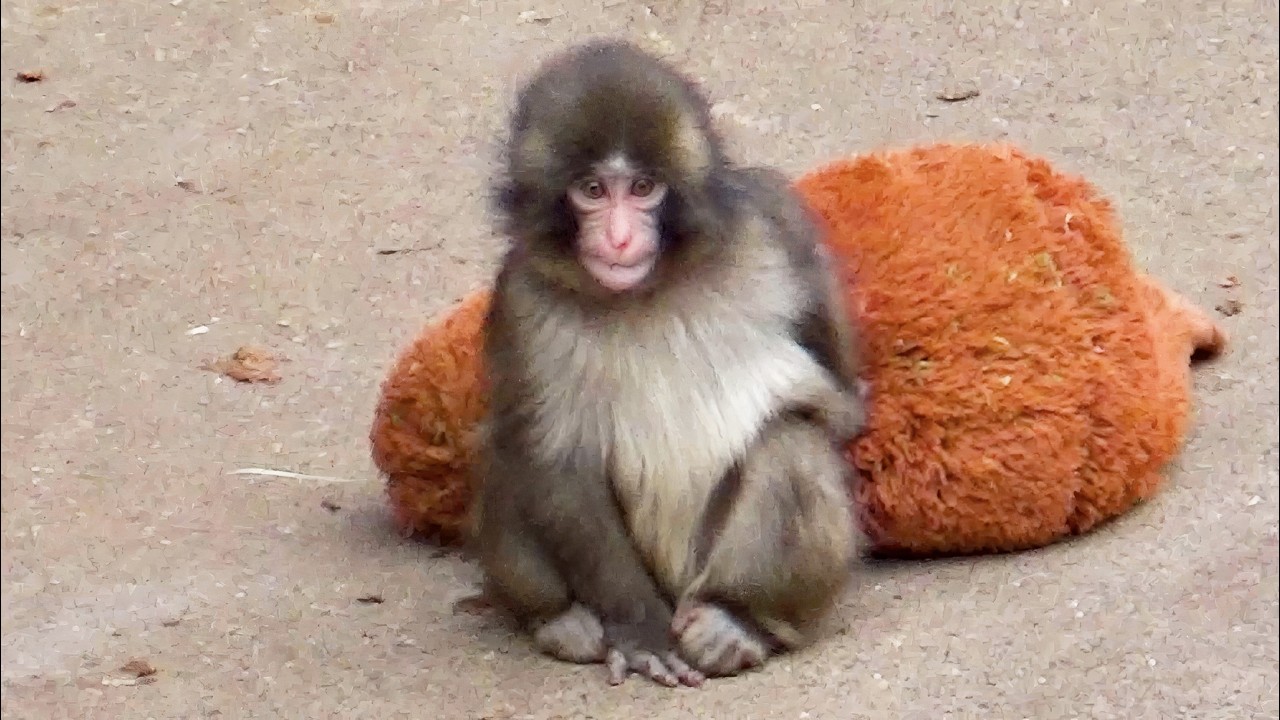
The Curious Case of 'Meet Punch Monkey': Exploring a Digital Enigma
When unique or seemingly obscure phrases surface in search queries, they often spark immediate curiosity. "Meet Punch Monkey" is precisely one such phrase, a string of words that simultaneously intrigues and mystifies. For many searchers, the expectation might be to uncover a hidden gem – perhaps a niche game, a viral meme, a specific piece of pop culture, or an obscure community. However, a closer look at common digital landscapes reveals a striking absence: content directly related to "meet punch monkey" simply isn't present in many of the places one might expect to find it. This article delves into why this phrase remains largely unindexed in certain prominent platforms and explores the potential reasons behind its elusive nature, offering insights into what such a search might imply.Where 'Meet Punch Monkey' Isn't Found (and Why)
The digital world is vast, but not every search term yields immediate, direct results, especially when it comes to established applications and platforms. The reference context explicitly highlights a key observation: "meet punch monkey" is absent from discussions surrounding Google Meet and Meetup.com. This isn't just a coincidence; it reflects the core functionalities and content focus of these platforms.Google Meet: A Professional and Personal Communication Hub
Google Meet, a cornerstone of modern video conferencing, is designed for productivity, collaboration, and communication. Its features revolve around high-definition video calls, secure meetings, screen sharing, chat functionalities, and integration with the broader Google ecosystem. Users review it based on call quality, ease of use, stability, and features relevant to remote work or personal connections. Within this context, a phrase like "meet punch monkey" has no logical connection. It doesn't describe a feature, an issue, a user experience, or a common piece of jargon related to video calls. Therefore, it's completely understandable that app store reviews and official documentation for Google Meet would contain no mention of it. Searching for "meet punch monkey" expecting to find something within Google Meet reviews is akin to looking for automotive repair tips in a cookbook – the domains simply do not overlap. This disconnect is precisely why you won't find it in discussions related to app performance or user feedback, leading to the intriguing question addressed in Why 'Meet Punch Monkey' Isn't in Google Meet Reviews.Meetup.com: Connecting People Through Shared Interests
Similarly, Meetup.com serves a distinct purpose: facilitating real-world social connections based on shared hobbies, professional networking, and community activities. From hiking groups and book clubs to tech meetups and language exchange circles, Meetup helps individuals find and join groups relevant to their interests. The content on Meetup pages typically consists of group descriptions, event schedules, member discussions, and location details. While the platform hosts an incredible diversity of niche communities, a phrase as specific and unusual as "meet punch monkey" doesn't align with the typical naming conventions for groups or events. It doesn't immediately suggest a clear hobby, profession, or social activity that would form the basis of a Meetup group. It's neither a common cultural reference universally understood by a potential community, nor a descriptive term for an activity. As such, the absence of this phrase from Meetup's vast directory is also quite logical, as further explored in The Hunt for 'Meet Punch Monkey': Missing from Meetup Pages. These examples underscore a fundamental truth of online search: context matters immensely.Unpacking the Potential Meanings Behind the Search
Given its absence in standard contexts, the persistence of "meet punch monkey" as a search query suggests several intriguing possibilities. Understanding *why* someone might be searching for this phrase is key to unravelling its mystery.- Misremembered Phrase or Typo: One of the most common reasons for unusual search queries is a slight misremembering of a more common phrase, or simply a typo. Could "meet punch monkey" be a distorted version of an idiom, a line from a movie, a song lyric, or a popular meme involving monkeys that has been slightly altered in recollection? For example, the well-known "see no evil, hear no evil, speak no evil" monkeys often appear in various contexts, and a slight twist could lead to a unique search query.
-
Niche Game or Pop Culture Reference: The gaming world and subcultures are rife with highly specific terminology, character names, and actions that might seem nonsensical to outsiders. "Meet Punch Monkey" could potentially be:
- A character name in an obscure indie video game or mobile app.
- A specific move or ability within a fighting game.
- Part of a meme that hasn't yet gone mainstream or is confined to a particular online community (e.g., Reddit subforum, Discord server).
- A reference from an anime, manga, webcomic, or an internet-specific piece of media that holds significance within its fanbase.
- A placeholder name or an easter egg within a software project.
- Coding or Technical Jargon: In programming and development, functions, variables, and placeholder text can sometimes take on quirky, memorable names. While less common for external search, it's not entirely out of the realm of possibility that "meet punch monkey" could be a internal reference within a codebase, a variable in a test environment, or even an error message for a highly specific scenario.
- Creative Project or Performance Art: Some artists or content creators intentionally use abstract or unusual titles for their projects to pique interest or convey a specific theme. "Meet Punch Monkey" could be the title of a song, a short film, a piece of art, or a performance that exists outside conventional indexing channels.
- A Purely Fictional Construct: It's also possible that the phrase itself is a construct from a story, a puzzle, or even an intentionally vague query designed to test search engine capabilities or elicit unusual results.
Strategies for Locating Elusive Search Terms
If you find yourself searching for a term like "meet punch monkey" and encountering a digital void, don't despair. Refined search techniques can significantly improve your chances of success.-
Use Quotation Marks for Exact Phrases: Enclosing your query in quotation marks, e.g.,
"meet punch monkey", tells the search engine to look for that exact string of words in that specific order. This can cut through irrelevant results. -
Combine with Contextual Keywords: If you suspect it's a game, add "game" or "video game." If it's a meme, add "meme." For example:
"meet punch monkey" game,"meet punch monkey" character, or"meet punch monkey" meme. -
Specify Platforms: If you think it originates from a particular social media site, forum, or video platform, add that to your search:
"meet punch monkey" Reddit,"meet punch monkey" YouTube,"meet punch monkey" Discord. - Explore Image and Video Searches: Sometimes, visual content can be more easily found than text. An image or video search might unearth a visual representation of "meet punch monkey" even if text articles are scarce.
- Check for Alternative Spellings or Similar Phrases: Consider if there might be slight variations, phonetic spellings, or even related phrases that could lead you to your target. For instance, "meet punching monkey" or "monkeys punch meet."
- Utilize Niche Search Engines or Databases: If it's a highly specific technical term, academic database searches or specialized forums might be more effective than a general web search.
- Consult Online Communities: If all else fails, posting your query in relevant online communities (e.g., subreddits dedicated to obscure media, gaming forums, meme-tracking sites) might yield an answer from someone who recognizes the phrase.